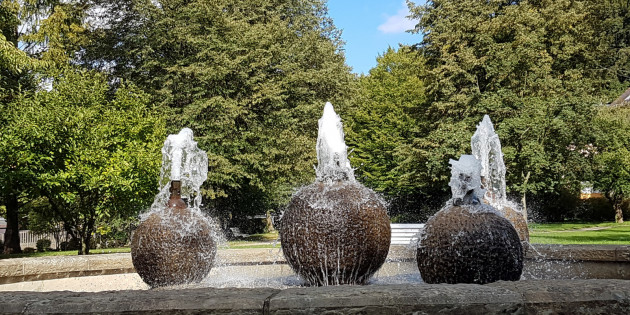
The spa park, laid out in 1873 and redesigned in 1994, is an island of peace and relaxation. Elements such as a fountain made of granite and sandstone, comfortable seating and lovingly designed green areas invite you to linger.

Not only the bizarre world of rocks around Bad Schandau is an attraction, there is also a lot to see in the city area. Each of the sights enriches a day in the Elbe sandstone as a further highlight. A hike or a bike ride can easily be combined with a tour of the city. This is how nature and culture merge into a unique experience. A visit is worthwhile in every season.
The spa park, laid out in 1873 and redesigned in 1994, is an island of peace and relaxation. Elements such as a fountain made of granite and sandstone, comfortable seating and lovingly designed green areas invite you to linger.
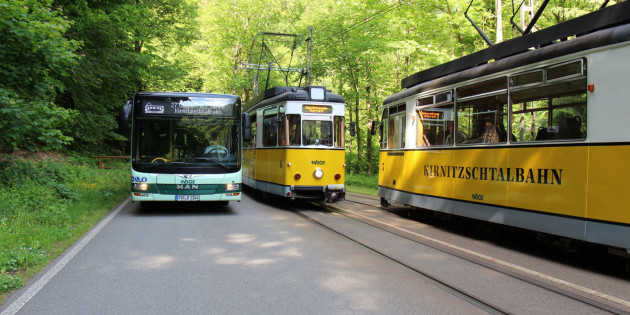
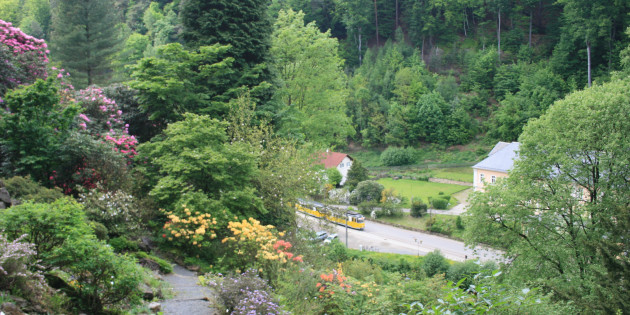
Since 1898, the historic tramway has been traveling through the wildly romantic Kirnitzsch Valley with incomparable nostalgic charm. Each of the eight stops on the approximately eight-kilometer route is an ideal starting point for hikes in the Saxonian Switzerland.
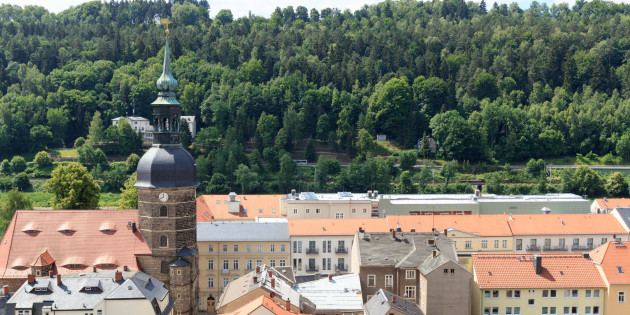
The church at the market, which is well worth seeing, was built at the turn of the 17th and 18th centuries from Postelwitz sandstone - the baroque pulpit even from a single block. The Renaissance altar, originally created around 1575 for the Dresden Cross church, is remarkable. It found its way to St. John's Church by a tortuous route and was erected in 1927.
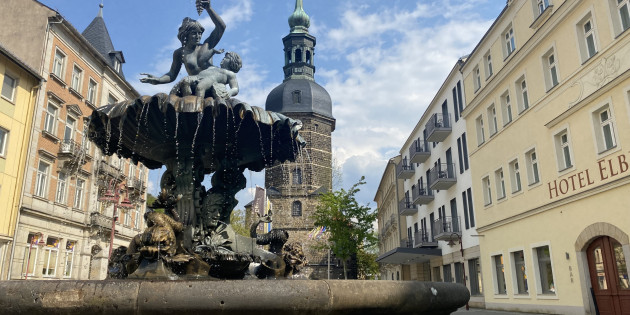
As early as 1896, the year it was built, this fountain probably helped give the market its flair. It is worth taking a closer look at the elaborate design. Named after its founder and great patron of Bad Schandau, Rudolf Sendig (1848-1928), it is still a beautiful place to pause and enjoy.
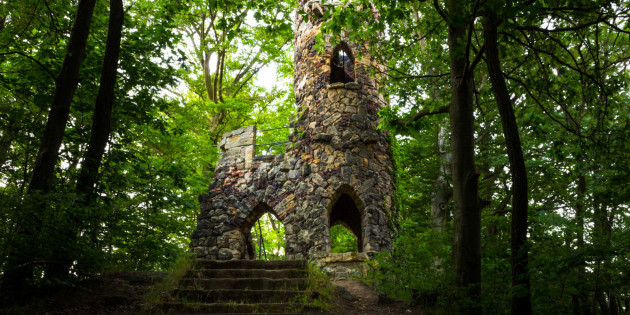
High above the Elbe River on a wooded mountain spur, the Schandauer Schlossberg, once stood a castle that has long since disappeared. The original structure probably dates back to the 13th century. Since 1883, an artificially created castle has stood on this site Castle ruins. From the viewing platform on the tower of the ruin you can look over Bad Schandau and the Elbe valley.
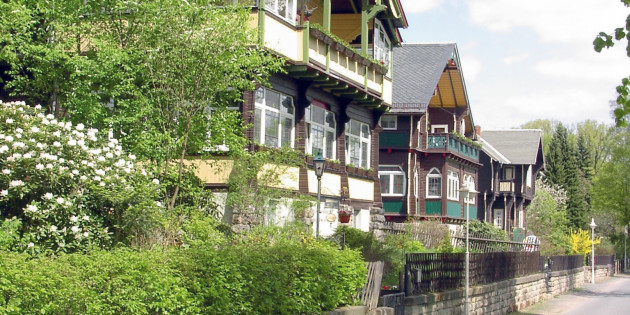
Magnificent wooden villas from 1903 stand on the edge of the Ostrauer Scheibe plateau. Like the passenger elevator, they are part of an unfinished project by Rudolf Sendig (1848-1928). The so-called world sports ground was to be created here as an exclusive tourist centre. Today there is a newly designed spa promenade with a viewing platform on Ostrauer Ring.
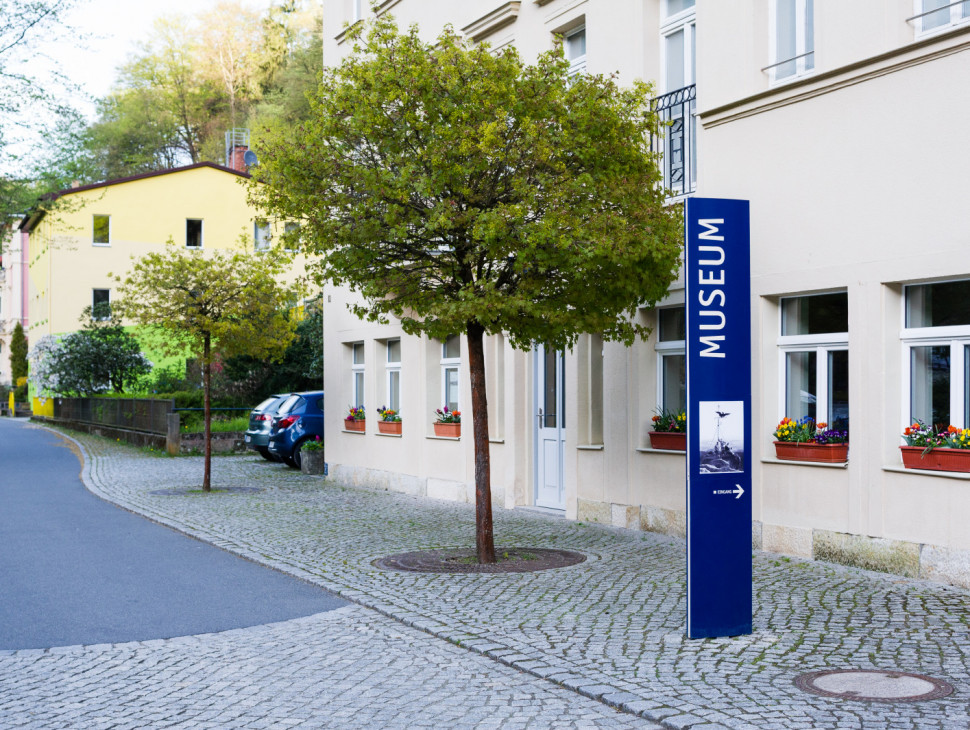
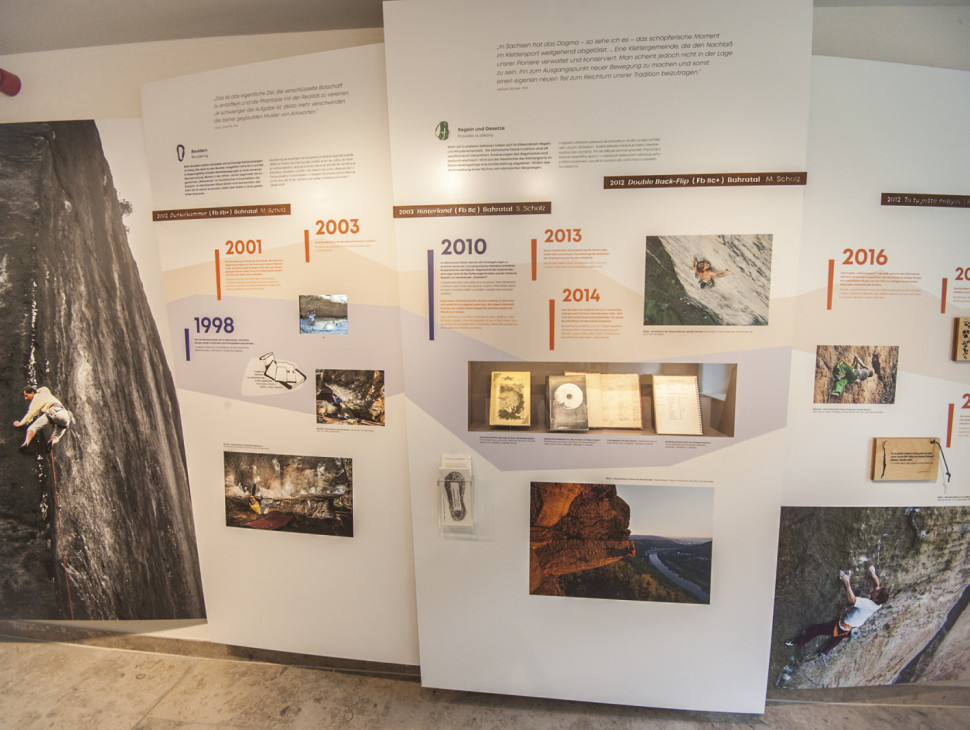
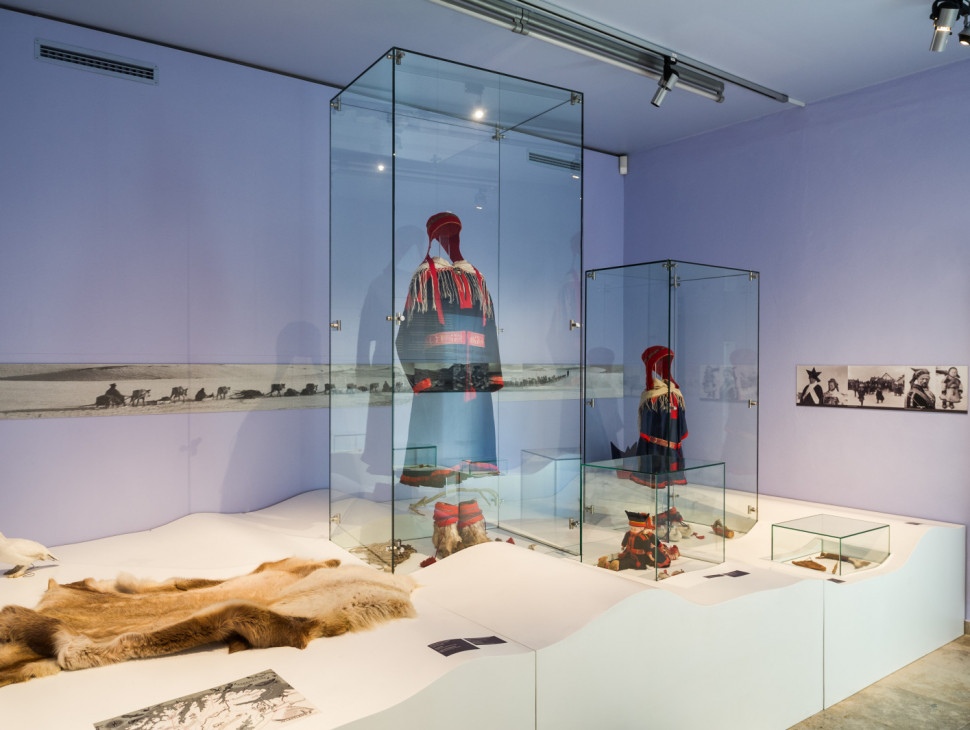
The Museum Schandau presents exciting history(s) of the Elbe Sandstone Mountains. What is the project of the world sports ground all about? Why are there books on climbing peaks? How did indigenous peoples live in the South American rainforest? Two permanent exhibitions provide answers and show objects from climbing sports and from the collection of the explorer Erich Wustmann.
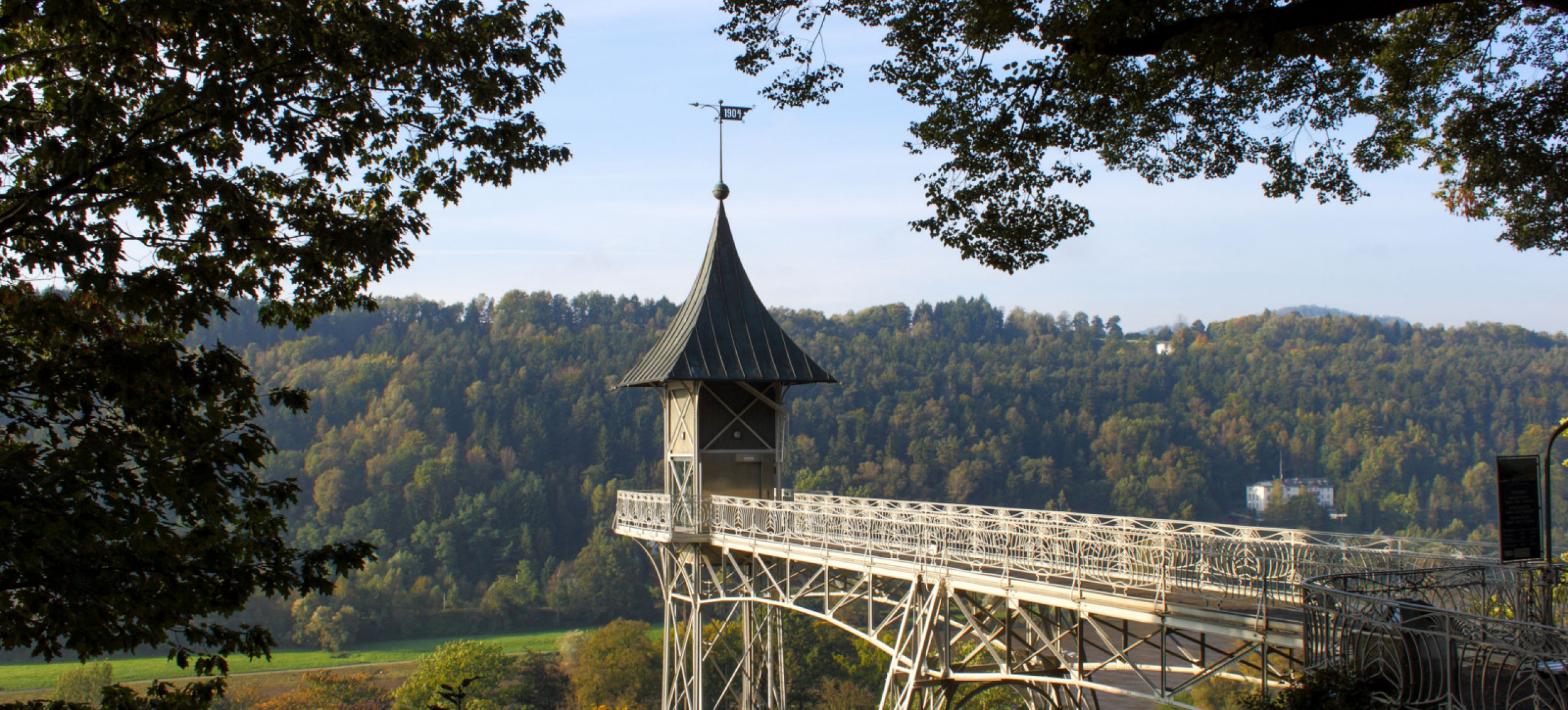
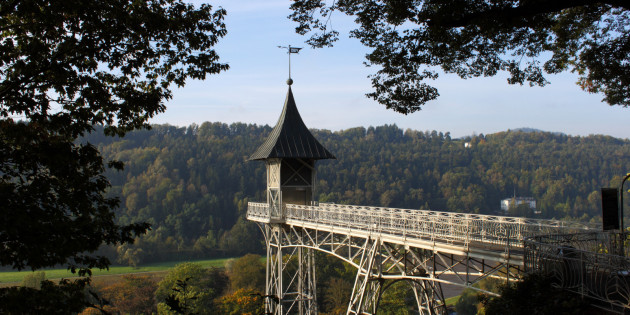
Built in 1904 in the Art Nouveau style and 50 meters high, the steel lattice tower impresses not only with its elegance. During the ride, there are always new perspectives of the city. The wide, majestic view from the observation deck will surpass that. The panorama over the Elbe Valley stretches from the Großer Winterberg to the Lilienstein.
The mountain station is a good starting point for walks to the higher-lying district of Ostrau and for hikes into the Schrammstein area. If you want to walk the way back down to the valley, you can get directly to the spa park on the Kirnitzsch River via the Luther Trail.
Daily travel times:
April/ October 9 a.m. - 6 p.m.
May to September 9 a.m. - 8 p.m.
November to March 9 am - 5 pm
Ticket prices (single trip/ round trip):
Adults 1,80 Euro / 2,80 Euro
Childs under 16 1,40 Euro/ 2,20 Euro
Families 4 Euro/ 7 Euro
A green labyrinth full of blossoms and leaves, special plants and trees awaits the visitor of the botanical garden. Winding paths lead through this little paradise on the northern slope of the Kirnitzsch valley. Names like knotweed - a mountain forest plant, forest honeysuckle - the character plant of Saxon Switzerland or crowberry - a rock plant sound like something out of a legend.
Since 1902, the plant has been home to plants from the Elbe Sandstone Mountains and the Alps, as well as similar climatic conditions of Asia and North America. From mid-May to September, guided tours provide interesting details about the native flora every Thursday from 5 p.m. onward.
Opening hours:
April to October: 9 a.m. - 7 p.m.
Entrance: 2,50 Euro
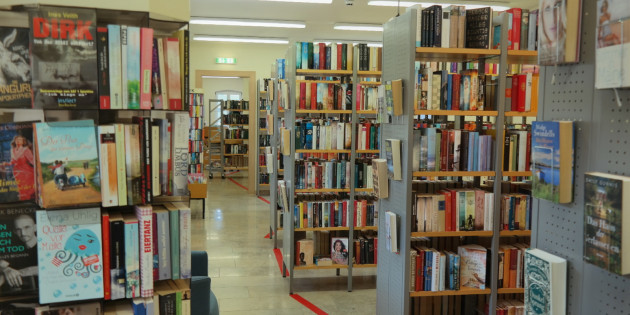
An Ocean of Books welcomes the reader when entering the Library in the Haus des Gastes Bad Schandau. The stock of approximately 25,000 media can be researched in the Web OPAC, reserved and then picked up directly. Well sorted, a wide range of products is available for young and old, for Onleihe bibi-on service offers digital media such as eBooks, ePaper and eAudios for lending.
All access data is available directly at the library during opening hours:
Monday 9 am - 1 pm
Tuesday 9 - 12 h and 1p.m - 5p.m.
Wednesday 12 - 17 h
Thursday closed
Friday 9 a.m. - 1 p.m.
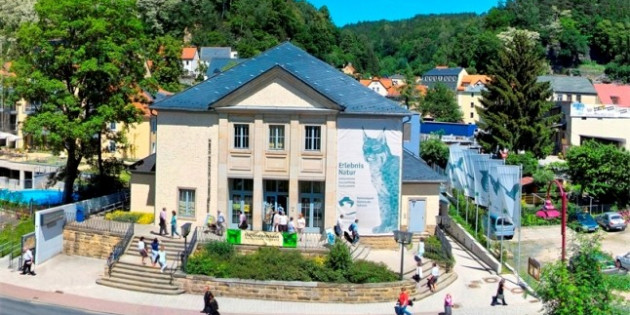
If you know a little more about the Elbe Sandstone Mountains, you will see details on your next hike that remained undiscovered before. This is not the only reason why a visit to the National Park Center is worthwhile. There, a lot of information about the peculiarities of the natural area and the concerns of the national park are presented in an interesting way.
The interactive exhibition tells about the formation of the mountains from a primordial sea, about life on the rocks, the changes in nature and the kingdom of animals. There is even an ant zoo and an exciting night walk. In the film hall you will get a real cinema feeling. A multivision show presents impressive images and perspectives of the Saxon Switzerland National Park.
The best way to explore a city is with an insider. Exciting stories, funny incidents, historical highlights turn a city tour into a pleasure tour. The Tourist Service team arranges guided tours of Dresden, Prague and Decin.
Our guided walk through Bad Schandau is a special recommendation. The ride in the historic passenger elevator and the fantastic view of the medieval town center alone are worth it. The entertaining details allow a glimpse into the heart of the town. A glass of Saxon wine at the end invites you to share and have interesting conversations.
Events and concerts, active offers and guided tours, lectures, readings and much more - in Bad Schandau and its districts, smaller or larger events offer entertaining, exciting, active things for interested guests.
The urban area of Bad Schandau includes a total of seven districts. Each offers playgrounds and corners for a cozy picnic. Sometimes there is also a bowling alley or opportunities for sports. There is no time for boredom!
Our map shows everything at a glance:
After an active day in the beautiful landscape, restaurants, pubs and taverns in and around Bad Schandau welcome their guests with their culinary creations. In most cases, a down-to-earth culinary art with tasty dishes is offered, which are characterized by a seasonal and regional reference. Treat yourself to pleasurable moments of variety and quality.